
Dealing with Pain and Injuries: Why Staying Active Can Be So Difficult
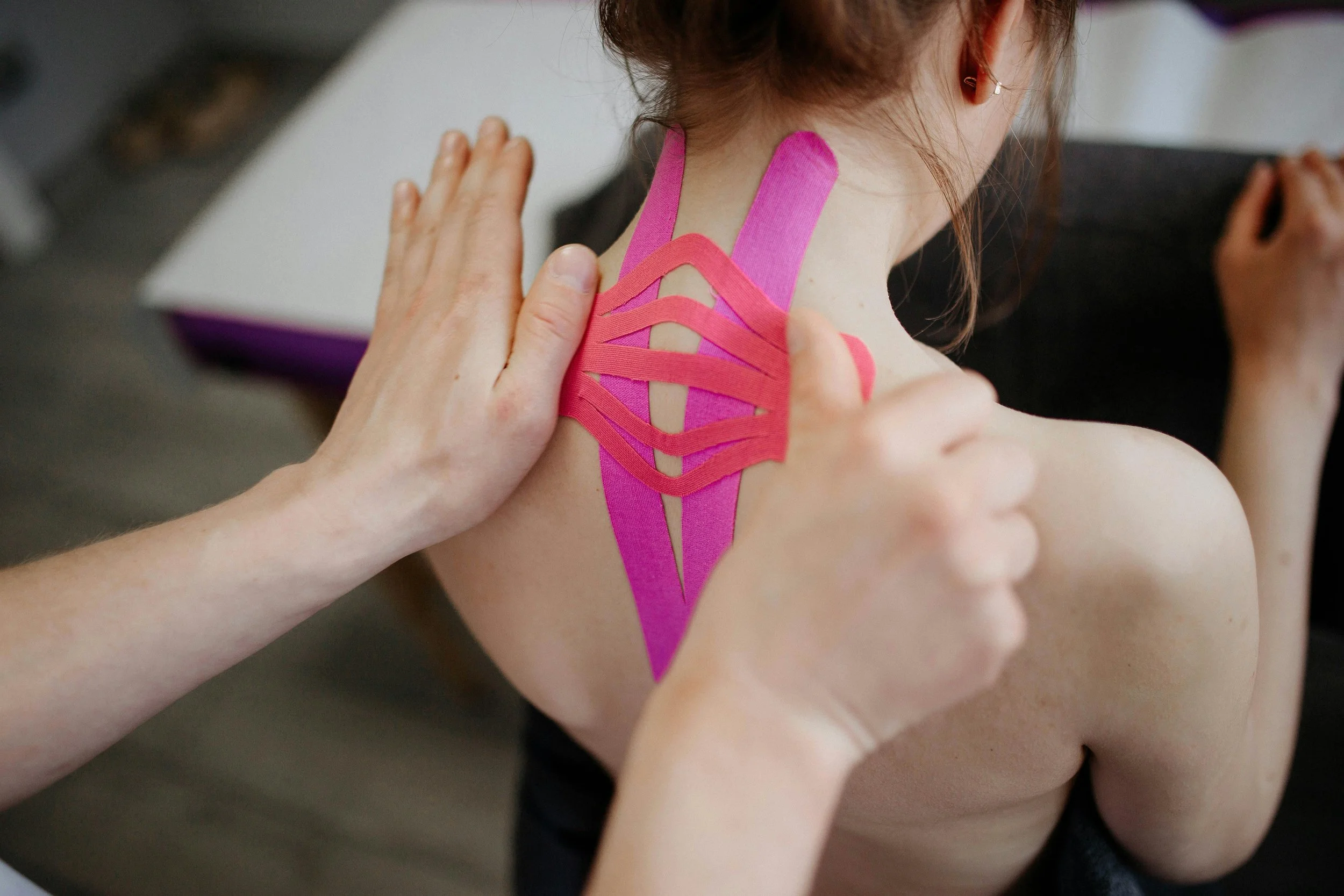
Injuries are frustrating. Whether it's a sore knee, a strained shoulder, or a persistent ache that seems to appear out of nowhere, pain has a way of affecting much more than just the injured area itself. It can disrupt routines, impact confidence, and make even simple daily activities feel like a challenge.
As HoloCoach founder Monty explains, "Injuries are hard. They make us worry about the future, worry about making things worse, and they're just painful."
For many people, that's where the real struggle begins. The physical discomfort is one thing, but the uncertainty that comes with an injury can be equally difficult to manage. Questions start creeping in: How long will this take to heal? Will I lose all my progress? What if I make it worse?
When those worries combine with pain, it's no surprise that many people find it difficult to stay consistent with exercise and healthy habits.
Why Injuries Often Stop Us in Our Tracks
Exercise is usually built around momentum. Once you've established a routine, it becomes easier to maintain. But an injury can suddenly interrupt that rhythm.
Pain naturally makes us more cautious. In many cases, that's a good thing. Pain is a signal from the body that something needs attention. However, it's common for people to interpret any injury as a reason to stop all movement entirely.
According to Monty, "A lot of people completely stop exercising when they get injured. And sometimes rest is absolutely needed. But in many cases, there may still be something you can do."
The challenge is finding the balance between protecting an injury and avoiding unnecessary inactivity.
Many people fall into an all-or-nothing mindset. They believe that if they can't complete their usual workouts, there's no point doing anything at all. Unfortunately, this approach can sometimes make the recovery process feel even more difficult.


Movement Doesn't Always Have to Stop
One of the biggest misconceptions surrounding injuries is that exercise and recovery are always opposites. While certain injuries absolutely require rest and professional treatment, many situations allow for some level of modified activity.
"Where it's safe to do so, and as long as you're not making the injury worse, maintaining some level of activity can be really helpful," says Monty.
The key phrase here is where it's safe to do so.
For example, if you're dealing with a knee injury, that doesn't necessarily mean your entire body has to stop moving. Depending on the nature of the injury and professional guidance, you may still be able to perform upper-body exercises, core work, or alternative movements that don't aggravate the affected area.
Monty explains: "If your knee hurts, for example, you might still be able to train your upper body, core, or other movements that don't aggravate the area. The goal isn't to push through pain. It's to keep the rest of your body moving while the injured area gets the right support and recovery."
This distinction is important. Staying active doesn't mean ignoring pain or forcing your body to do something it's not ready for. Instead, it means adapting your approach and focusing on what you can do rather than what you can't.
The Benefits of Staying Active During Recovery
When appropriate, maintaining some level of physical activity can offer several benefits during recovery.
Firstly, it may help preserve strength and fitness levels. Long periods of complete inactivity can lead to what's known as detraining, where the body gradually loses some of the adaptations built through regular exercise.
Secondly, movement can help people maintain a sense of routine and normality. Injuries can often feel isolating, particularly for individuals who use exercise as a way to manage stress, improve mood, or support their overall well-being.
Monty notes that staying active within sensible limits "may help you maintain strength, reduce the amount of detraining that happens, and support your overall recovery process."
Even small amounts of movement can contribute to feeling more positive and engaged during what can otherwise be a frustrating period.
Knowing When to Seek Professional Help
While staying active can sometimes be beneficial, it's important to recognise that every injury is different.
There are situations where professional assessment is essential. Severe pain, significant swelling, instability, worsening symptoms, or injuries that aren't improving should never be ignored.
"Of course, if you're injured, you should speak to a qualified professional, especially if the pain is severe, worsening, swollen, unstable, or not improving," says Monty. "Rehab should be guided properly."
A healthcare professional can help identify the cause of the problem, recommend appropriate treatment, and provide guidance on what activities are safe during recovery.
No app, coach, or online resource should replace medical advice when an injury requires clinical attention.
How HoloCoach Can Help
One of the most difficult parts of recovering from an injury is figuring out how to continue exercising safely. Many people simply don't know which movements to avoid or what alternatives they should choose.
This is where HoloCoach can provide additional support.
According to Monty, "HoloCoach can help you work around your injury by adapting your workouts based on what you tell it”. You can add your injuries, limitations, or painful movements, and it can suggest exercises that avoid irritating that area."
Rather than forcing users into a one-size-fits-all workout plan, HoloCoach is designed to adapt around individual circumstances.
If a particular exercise causes discomfort or doesn't feel appropriate, users can also request alternatives.
"And if something doesn't feel right, you can tell HoloCoach and it can swap the exercise for something more suitable", Monty explains.
This flexibility can make it easier for people to remain active while respecting their body's recovery needs.
The Bottom Line
Injuries can be physically painful, mentally draining, and incredibly disruptive. They often create uncertainty and make it difficult to maintain healthy routines.
However, an injury doesn't always mean complete inactivity.
When guided appropriately and carried out safely, modified exercise may help maintain fitness, preserve strength, and support overall well-being throughout the recovery process.
As Monty puts it, "The idea is simple: help you keep moving safely where possible, maintain a fitness base, and avoid feeling like one injury means you have to stop completely."
Recovery isn't always about doing more. Sometimes it's about adapting, staying patient, and continuing to move in the ways that your body allows.