
Consistency Over Intensity.
For many men and women the gym isn’t just inconvenient, around 17% say they also find it intimidating.
If you’d rather not go to the gym to get back into exercise, here’s what you can do instead.

Home Workouts Make Getting Back Into It Easier
Why start at home?
Home workouts remove a lot of that pressure because no one is watching. You don’t feel rushed or judged, and you’re not distracted by worrying whether you’re doing an exercise “wrong.”
As a busy master’s student trying to get back into fitness without much time for the gym, I’ve found that new movements often feel strange, not because they’re wrong, but because my body isn’t used to them yet. At home, you have the space to slow down, focus on your form, and make small adjustments if needed.
Without that outside pressure, you can focus on the exercise itself instead of what anyone else might be thinking. You can focus on learning, building strength, and getting comfortable with movement.
And once confidence grows, everything feels easier.
Here is how you do it:
Week 1 to 2: Aim for two 30min workouts
Week 2 to 6: Aim for three 30min workouts
Week 7+: Add sessions as you prefer
Here is how to think about it:
Collect workouts, don’t chase intensity.
Ask yourself: How many 30 minute workouts can I collect this week?
Two is great. Three is a win. Anything more is a bonus.
And keep the habit alive
Even if you miss a day, focus on getting the next session in because momentum comes from returning, not restarting.
Fitness Doesn’t Have to Be All or Nothing; 30 Minutes a Few Times a Week Beats One Big Workout.
There’s a big misconception in fitness that says workouts only “count” if they’re long, intense, and done in a gym. But in reality, the workouts that change your body, and your confidence, are the ones you actually stick to and complete.
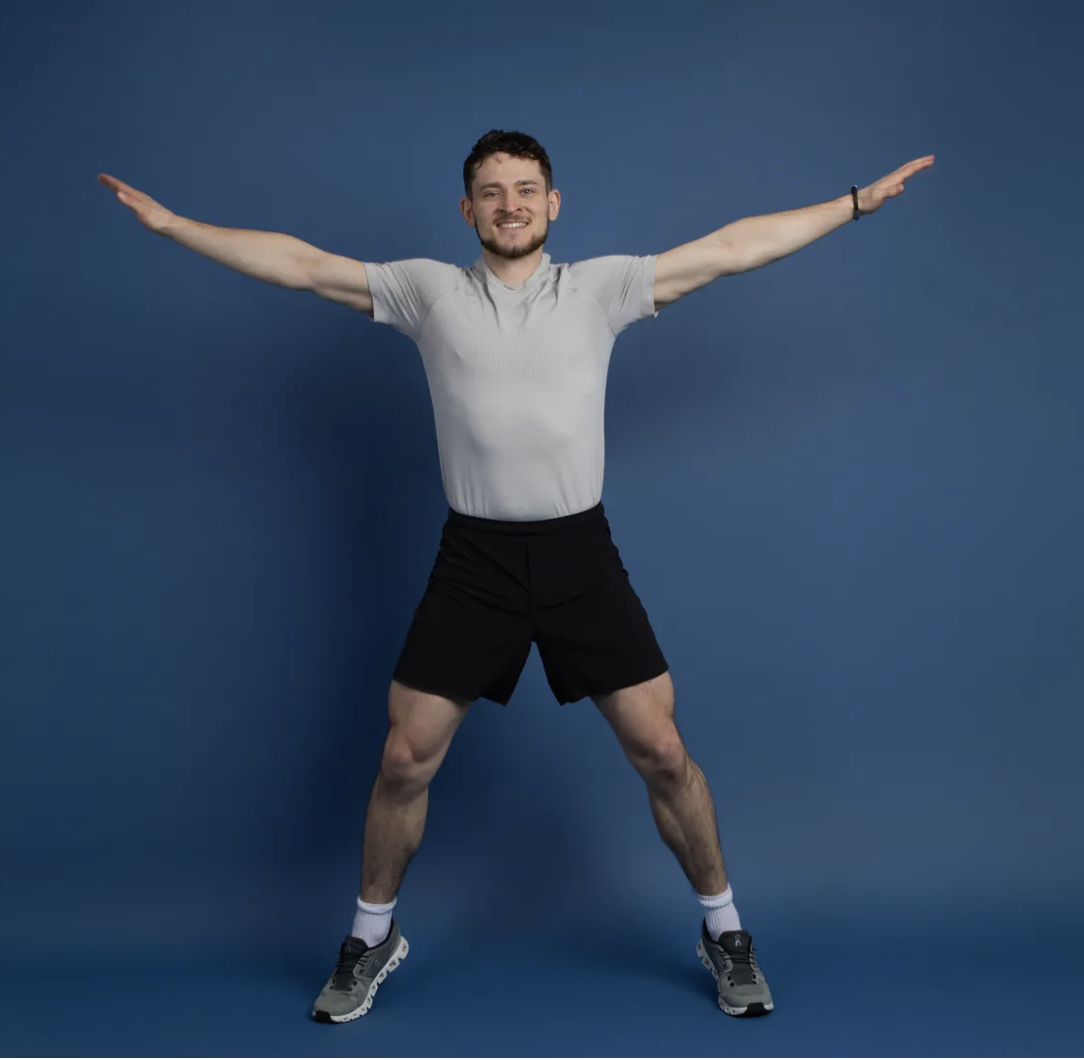
That’s something Monty Simmons has seen time and time again, especially with people returning to fitness after a break. Even Monty himself found that long, demanding workouts weren’t always realistic. So instead of pushing harder, he simplified.
In a recent Fit & Well feature, Monty shared the routine that helped him stay consistent again after losing motivation.
· A couple of longer gym sessions when time allows
· Several 30-minute workouts spread across the week
· Plus walking and rest days built in
Rather than relying on one big session, the focus is on collecting manageable workouts across the week.
A lot of people try to “make up” for a busy week by doing one long, intense workout at the weekend. The problem? It’s exhausting, hard to repeat, and easy to fall out of. Shorter workouts done a few times a week are different, they’re easier to recover from, easier to fit around life, and easier to return to, even if you miss one.
Research at Harvard shows that spreading activity across the week leads to better habit formation and long-term adherence than doing one or two intense sessions. People are simply more likely to keep going when exercise feels achievable. When you’re returning to fitness, keeping the habit alive matters far more than pushing intensity.
Just 30 minutes at a time is an amount that feels manageable even on busy days, enough to keep momentum going without burning out.
─────────────── YOU MAY LIKE ───────────────

Consistency Builds Confidence (Not the Other Way Around)
Many people think they need to be confident and know they’re doing everything perfectly before they start going to the gym.
But that’s not how it works. You don’t go to the gym because you already know how to do everything, you go to learn how to do it.
At first, exercises can feel unfamiliar, and that’s normal. Over time, through repetition, you learn the movements, improve your form, and start to feel more comfortable. That process is what builds confidence.
You don’t need to feel confident before you start going. Confidence grows as you show up, practice, and build yourself up as you learn.
So no, you don’t need to train for hours.
You don’t need to be perfect.
And you don’t need to love the gym.
You just need something that fits your life.
Do what you can, where you are, and keep showing up.
And when fitness finally feels doable, it stops being something you “should” do, and becomes something you actually want to do.
If you’ve ever promised yourself you’d “start going to the gym properly”… and didn’t, this is for you.
Maybe work ran late.
Maybe you felt too tired.
Maybe the thought of walking into a gym full of people who look like they know what they’re doing made you uncomfortable.
And honestly? That’s more common than you think.
A lot of people don’t struggle with fitness because they’re lazy or unmotivated, they struggle because the way fitness is usually presented doesn’t fit real life.
That’s where consistency over intensity comes in.